EKS Cluster Architecture
Plan cluster structure, VPC connectivity, subnets, compute capacity, environment separation and availability requirements to suit the application.

SecureLink helps Saudi organizations plan, deploy and operate container platforms with Amazon EKS consulting shaped around their applications, infrastructure and delivery goals. From cluster architecture and VPC networking to workload releases, access controls, observability and scaling, we focus on the practical decisions that help teams run Kubernetes workloads reliably on AWS.
Our Kubernetes on AWS consulting can support a new EKS platform, an existing cluster that needs improvement, or applications being prepared for container orchestration. Each engagement is scoped around your environment, security needs and operations model.
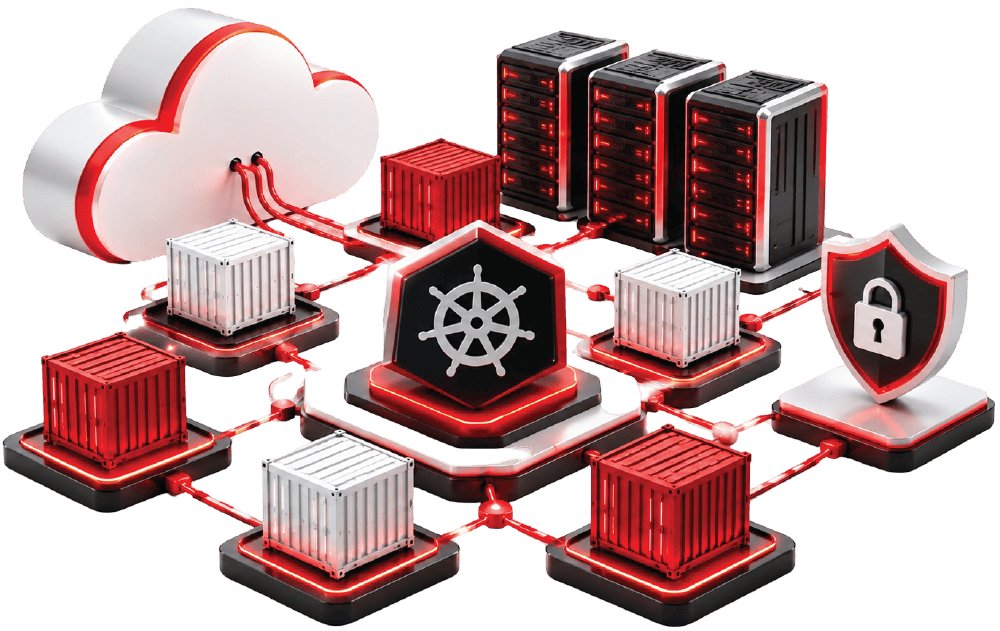
Plan cluster topology, compute and networking around workloads.
Structure container releases and environment configuration.
Plan visibility, resource capacity and scaling policies.
Build access control and workload protection into the design.
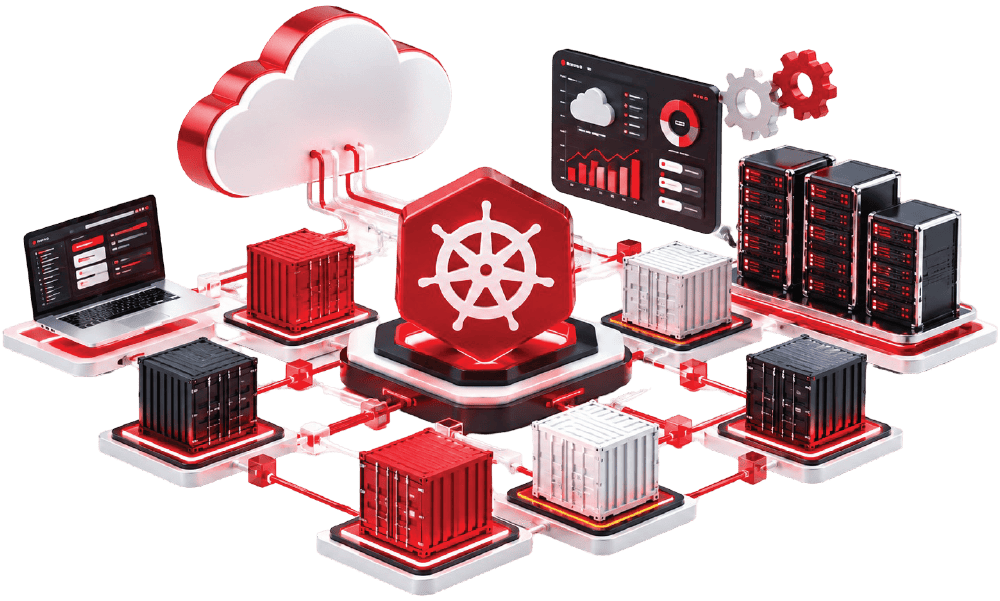
Amazon Elastic Kubernetes Service (Amazon EKS) provides a managed Kubernetes control plane for running containerized applications on AWS. Getting a platform ready for production still requires thoughtful design across networking, compute, permissions, workload configuration, monitoring and maintenance.
SecureLink helps connect these decisions into a workable implementation plan. Our AWS Kubernetes consulting Saudi Arabia offering can cover design, deployment, improvement and knowledge transfer based on your current maturity and operational requirements.
PLAN YOUR EKS ENVIRONMENT →Choose the areas where your team needs design, implementation or operational support. The scope can be tailored to a new cluster or an existing Kubernetes environment.
Plan cluster structure, VPC connectivity, subnets, compute capacity, environment separation and availability requirements to suit the application.
Support cluster provisioning, add-on configuration, workload rollout, environment setup, version planning and agreed operational handover.
Align Kubernetes resources, deployment patterns and AWS integrations with application dependencies, release needs and operating practices.
Review pod requests and limits, node capacity, scaling options and utilization patterns to support performance and cost visibility.
A sustainable EKS environment depends on more than creating a cluster. We help define the platform foundations, deployment process and operational controls required for your workloads.
Plan VPC and subnet placement, network access, ingress paths, cluster endpoints and connectivity to required AWS services.
Structure Kubernetes manifests or Helm-based deployments, environment configuration, rollout checks and release responsibilities.
Review IAM integration, Kubernetes RBAC, secrets handling, network controls, image practices and audit visibility for the intended environment.
Define logs, metrics, alerts, cluster maintenance, version upgrades, add-on compatibility and incident ownership for ongoing operation.
Our Amazon EKS deployment and management scope can focus on initial implementation, platform improvement or operational readiness, depending on your team's needs.
Review container suitability, application dependencies, availability goals and platform prerequisites before committing to a target design.
Support cluster and workload deployment, integrate the platform with relevant AWS resources and verify agreed release and connectivity paths.
Define maintenance practices for scaling, monitoring, upgrade readiness, troubleshooting and operational documentation.
A structured process connects application needs with platform design, deployment choices and clear ownership after implementation.
Understand applications, container images, dependencies, traffic patterns, availability targets and existing AWS resources.
Review readiness, cluster constraints, networking, identity, security needs, deployment workflows and operational capability.
Define the cluster architecture, compute approach, access boundaries, integrations, observability and maintenance plan.
Deliver the agreed platform and workload workstreams with configuration checks and a controlled transition to use.
Document architecture, operational tasks, escalation boundaries and recommended follow-up improvements.
Deliverables are agreed before work begins and focus on the technical decisions, deployment steps and operating practices your team needs to move forward.
Summarize application dependencies, container readiness, infrastructure constraints and target outcomes relevant to EKS adoption or improvement.
Document cluster topology, networking, compute, environment separation, connectivity and key architecture decisions.
Outline workload rollout, configuration requirements, release sequence, verification steps and dependencies for the agreed implementation.
Identify relevant IAM, RBAC, network access, secrets, logging and container protection controls for the designed environment.
Define logs, metrics, alerts, resource checks, version lifecycle considerations and operational review activities.
Capture routine procedures, responsibilities, known dependencies and next steps for the teams responsible for the cluster.
Specialist EKS support is useful when container-platform choices affect application delivery, security, scaling, reliability or the workload operating model.
Plan cluster architecture, network access, compute and operational foundations before deploying production workloads.
Assess container readiness, dependencies, state handling, deployment patterns and the practical steps needed for a migration.
Standardize application releases, configuration management and rollout checks across development, staging and production environments.
Revisit permissions, network paths, secrets handling, image practices and audit visibility as the platform grows.
Review workload demand, resource sizing, node capacity, scaling behavior and supporting AWS services for opportunities to improve efficiency.
Plan Kubernetes version changes, node and add-on compatibility, workload validation and an appropriate maintenance window.
Good technical support should connect Kubernetes configuration to the applications, security requirements and teams that will operate the platform after implementation.
Can the team explain trade-offs across networking, compute, availability, workload design and scaling?
Can design decisions be translated into deployable configurations, rollout steps and validation checks?
Are access boundaries, network controls, secrets, logging and update practices planned from the beginning?
Are cluster responsibilities, runbooks, escalation paths and ongoing maintenance requirements clearly documented?
SecureLink works with organizations in Saudi Arabia to scope EKS architecture and delivery around application needs, existing AWS resources, security expectations and internal operating capabilities.
Connect the platform architecture to application priorities, release demands, availability targets and expected growth.
Consider identity, network exposure, workload permissions, visibility and operational safeguards as part of the agreed EKS scope.
Equip responsible teams with architecture notes, deployment guidance, operational procedures and a clear list of follow-up actions.
SecureLink focuses on practical platform engineering: clearly scoped workstreams, security-aware design, application-led decisions and useful documentation so your team understands how the environment is intended to run.
Cluster and compute choices are considered in the context of application requirements, capacity, availability and operations.
Access controls, networking, logging and workload protection are considered throughout the agreed design and implementation.
Architecture, deployment, validation and handover can be planned as connected phases rather than isolated technical tasks.
Deliverables can include technical documentation, runbooks and agreed ownership boundaries for your operational teams.
Share your application needs, current AWS environment and container-platform goals. SecureLink can help define an appropriate EKS architecture, deployment scope and operational handover plan.
Answers about Amazon EKS consulting, Kubernetes deployment, cluster security, scaling, management and operational readiness in Saudi Arabia.