
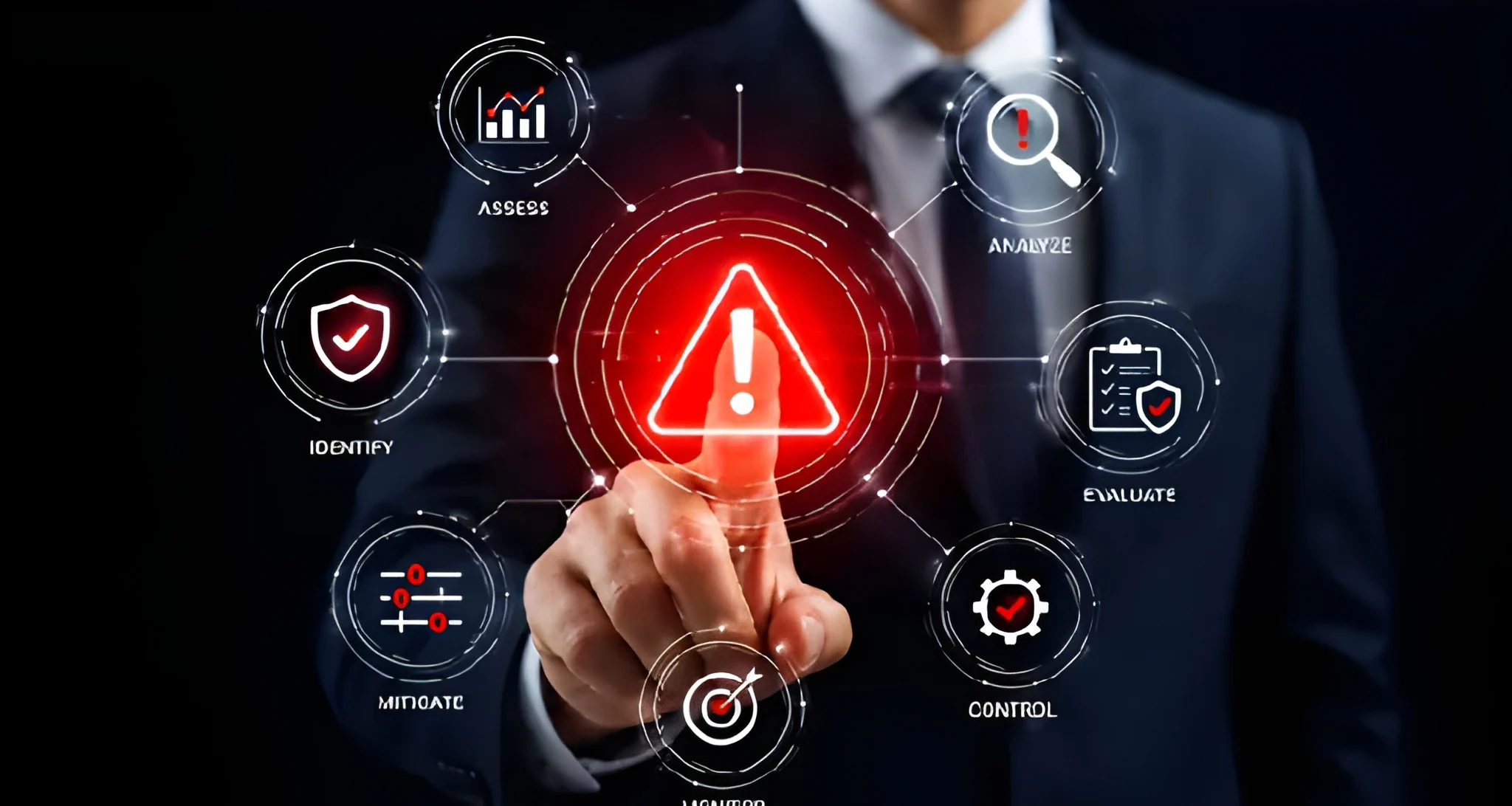
As cyberattacks become more advanced, organizations across Saudi Arabia face growing challenges in protecting sensitive business information, customer data, and critical digital systems. The ISMS Risk Assessment is conducted to make businesses know the possible security threats before they translate into losses of money, fines imposed by regulatory bodies or even malfunction of business. It also develops a systematic way of enhancing cybersecurity and enhancing business resilience.
Adopting an Information Security Management System Saudi Arabia model will help organizations in a systematic approach of dealing with risks and also in complying with the global standards of security like ISO 27001. Regardless of whether a business is in healthcare, finance, government, manufacturing or retail, active risk assessment helps to facilitate compliance, enhance decision-making, and build customer confidence. SecureLink assists the organization to develop efficient security practices which can enable the business to expand in the long run.
What Is an ISMS Risk Assessment?
ISMS Risk Assessment is a disciplined procedure that is utilized to identify, examine and assess hazards that may interfere with information assets of an organization. It is the basis of an Information Security Management System as it assists businesses to be aware of potential threats, vulnerabilities and their potential impact. Through regular assessments organizations can prioritize security controls, allocate resources effectively and continuously improve their cybersecurity posture while maintaining compliance with ISO 27001 and industry regulations.
Why ISMS Risk Assessment Is Essential for Saudi Organizations
Cyber threats keep on changing in a fast changing digital environment in which Saudi organizations operate. Organized risk evaluation helps companies to discover the vulnerability before they are exploited by attackers, saving valuable customer, financial and operational data. It also assists in meeting the national cybersecurity requirements, better business continuity planning, and boosts the stakeholder confidence as well as organizations investing in cybersecurity where they provide the highest protection and long-term value to the organization.
Common Cyber Risks Facing Organizations in Saudi Arabia
1. Ransomware Attacks
Ransomware has been targeting organizations of all sizes by encrypting business data and charging a fee to recover the data. These attacks can bring the operations to a standstill, ruin the reputation, disrupt customer services and cause massive financial losses that take long to recover without having the required backups, endpoint protection and awareness of the employees.
2. Phishing and Social Engineering
Humans are often victims of cybercriminals, who convince them by emails, fake websites, and fraudulent messages and steal their login credentials, or other sensitive data. Without cybersecurity awareness training, employees will be easier targets and attackers will be able to access business systems and top corporate information without authorization.
3. Insider Threats
Sensitive information can be accidentally or deliberately leaked by employees, contractors or third-party vendors. Poor user privileges, ineffective access controls, insufficient monitoring, and ineffective security policies are some of the factors that lead to increased chances of insider attacks that can damage confidential data, intellectual property, and business continuity.
4. Cloud Security Misconfigurations
Cloud platforms are becoming more popular in organizations as a means of storing and processing information. Loose security configurations, poor authentication, unsecured storage and insufficient monitoring can lead to sensitive business information being subject to unauthorized access where chances of breaches and violation of regulatory compliance is likely to be compromised.
5. Third-Party Supply Chain Risks
Most organizations depend on outsourced vendors to provide software, cloud services, logistics, and to support their operations. Lack of weak security habits by suppliers may impose indirect weaknesses on suppliers which attackers will exploit to enter internal networks and interfere with business operations or destroy precious organizational data.
Step-by-Step ISMS Risk Assessment Process
Step 1 – Define the Assessment Scope
Organizations need to clearly establish what departments, systems, business processes, locations, and information assets should be assessed before the start of the assessment. A well defined scope would guarantee purposeful analysis, effective allocation of resources and significant security results without causing unwarranted complexity in the assessment process.
Step 2 – Identify Information Assets
The best place to start an effective ISMS Risk Assessment is to determine the important information assets including databases, applications, servers, cloud resources, intellectual property, employee records, customer information and critical business documents. Knowledge of asset value aids organizations to implement appropriate protection controls and make appropriate security investments.
Step 3 – Identify Threats
Organizations ought to be able to detect both internal and external threats that can endanger information security. These are malware, ransomware, phishing attacks, unauthorized access, natural calamities, insider abuse, hardware failures and supply chain attacks. It is the identification of potential threats that will help to plan the preventive security measures and response plans better.
Step 4 – Identify Vulnerabilities
Security vulnerabilities are vulnerabilities that can be exploited by the attacker. This is demonstrated by old software, insecure passwords, no security patches, inaccessible access controls, unencrypted data, insecure network settings and lack of awareness among employees. Detecting vulnerabilities enables organizations to enhance defenses prior to incidences happening.
Step 5 – Analyze and Evaluate Risks
Organizations evaluate all the risks identified by determining their probability of occurrence and its probable impact on the business. This analysis will allow identifying what threats need to be addressed urgently and those that can be tracked over the course of time. Risk analysis can be used to make informed decisions and allocate cybersecurity resources which are efficient.
Step 6 – Prioritize Risks
The evaluation is followed by prioritizing risks according to their severity, impact on business, regulatory requirements, and priorities of the organization. The high-risk issues are dealt with immediately with the medium and low-risk issues to be dealt with depending on the available resources. Prioritization guarantees security investments are optimally protective and business quantifiable.
Best Practices for Effective ISMS Risk Assessment
1. Maintain Accurate Asset Inventories
The companies are to revise hardware, software and cloud resources, databases, and sensitive information inventories on a regular basis. Correct visibility of the assets makes the assessment complete and security teams can identify the new risks and take the necessary measures to protect this asset before it becomes a business issue of concern.
2. Review Risks Regularly
Cyber threats change with time and thus it is crucial to conduct periodic evaluation. The routine reviews also assist in enabling organizations to detect emerging vulnerabilities, confirm the reliability of the implemented security measures, track changes in technologies, and adjust risk management plans to suit the emerging cybersecurity threats and maintain the current compliance needs.
3. Involve Multiple Business Departments
IT, management, legal, finance, HR and operational teams working together enhance the effectiveness of risk assessment. Cross-functional involvement involves more visibility on the business operations, detecting latent risks and facilitating communications and fostering a commitment of the entire organization on the information security programs.
4. Use Quantitative and Qualitative Evaluation Methods
A combination of objective risk scoring with professional judgment offers equalized judgment. Quantitative analysis involves estimations of financial impact, whereas qualitative analysis takes into account operational, legal, and reputational impacts. Collectively, the methods will create better risk prioritization and robust cybersecurity planning.
5. Continuously Improve Security Controls
Risk assessment is not to be a single exercise. The implementation of controls, effectiveness, incident learning, periodic audits and continuous improvement of security strategies should be monitored, measured and refined by organizations to stay highly guarded against the emerging cyber threats and the changing business risks.
Common Mistakes Organizations Should Avoid
1. Treating Risk Assessment as a One-Time Project
Most organizations do assessments and only do it to be certified and do not update their assessments frequently. Threats in cyberspace are dynamic and it is imperative to ensure that the overall security control, regulatory compliance and organizational resiliency against newer attack strategies is maintained through continuous reviews.
2. Ignoring Human-Related Risks
Cybersecurity risks cannot be removed only through the use of technical controls. Phishing, credential theft, and unintentionally exposing data continue to be frequent victims among employees. Regular security awareness training and technical protection should be given priority in organizations to minimize vulnerabilities that are caused by humans.
3. Overlooking Third-Party Security
The systems of the business or sensitive information are usually accessed by suppliers and service providers. The inability to evaluate the security practices of vendors puts organizations at higher risk of supply chain attacks, contractual risk, compliance failures, and third-party unauthorized access because of their security vulnerability.
4. Poor Documentation Practices
Missing documentation complicates the proving of compliance, tracking of improvements, and acting appropriately at the time of an audit. Effective documentation of the risks detected, controls applied, treatment procedures as well as review actions enhances governance and aids in the process of constant improvement in the information security program.
5. Failing to Prioritize Critical Risks
When trying to solve all the issues identified at the same time the resources can be wasted. High impact risks that pose a major threat to business operations, sensitive information, legal compliance and customer confidence must be dealt with first by organizations before tackling lower priority issues in the long term.
Benefits of Conducting Regular ISMS Risk Assessments
1. Stronger Cybersecurity Protection
Frequent ISMS Risk Assessment measures assist organizations in uncovering vulnerabilities at an early stage, creating more resilient controls, minimizing attack possibilities and enhancing overall resilience towards ransomware, phishing, insiders and other advanced cyberattacks of critical business data.
2. Better Regulatory Compliance
Periodic tests are helpful in line with ISO 27001 governmental cybersecurity policies, industry standards and in house governance regulations. Having documented risk management processes can ease the audits and show the organization taking the responsible approach towards safeguarding sensitive information.
3. Improved Business Continuity
By being aware of possible risks organizations can develop successful response plans, lessen operational impacts, safeguard vital services of the business and rebound swiftly after security breaches. This enhances the ability of organizations to recover in times of uncertainty and minimization of financial losses in unforeseen cyber-attacks.
4. Greater Customer Confidence
The customers are demanding more and more companies to protect their information. Continuous risk assessment and enhancement of security instills confidence, boosts business ties, organizational reputation, and competitive edge when dealing with security-conscious customers and partners.
5. Smarter Security Investments
Risk assessments determine the risk areas to be prioritized with protection and this assists organizations to ensure better allocation of cybersecurity budgets. Instead of spending an equal amount of resources on all systems, businesses will be able to focus on high-value assets and enhance security outcomes by utilizing available resources.
Why Choose Professional ISMS Risk Assessment Services?
The professional cybersecurity specialists are knowledgeable and experienced in detecting sophisticated threats, assessing business risks, and prescribing suitable mitigation practices. They are also very experienced and can make sure that the assessments are objective, comprehensive and are in line with the accepted security standards, industry best practices and emerging regulations.
Knowledgeable consultants also offer practical recommendations, help prepare to ISO 27001, enhance the quality of documentation, enhance the governance process, and facilitate ongoing security enhancement. Professional advice will help organizations to minimize cyber risks more effectively as well as make the most of long-term investments related to information security.
Conclusion
Any contemporary organization relies on secure information systems to secure its operations, keep customer confidence, and experience a sustainable growth. An ISMS Risk Assessment helps businesses to understand the security weaknesses, measure the risks, allocate resources towards remedies, and increase resiliency against the dynamic cyber risks. An ordered approach to security investments allows them to be effective and help maintain compliance and business continuity.
As Saudi Arabia continues accelerating digital transformation, organizations that proactively manage cybersecurity risks will be better positioned for long-term success. Consistent evaluations, constant development, employee consciousness and professional advice form a more robust security base that can serve to secure valuable information resources to more advanced cyber threats as well as enable the future business innovation.