
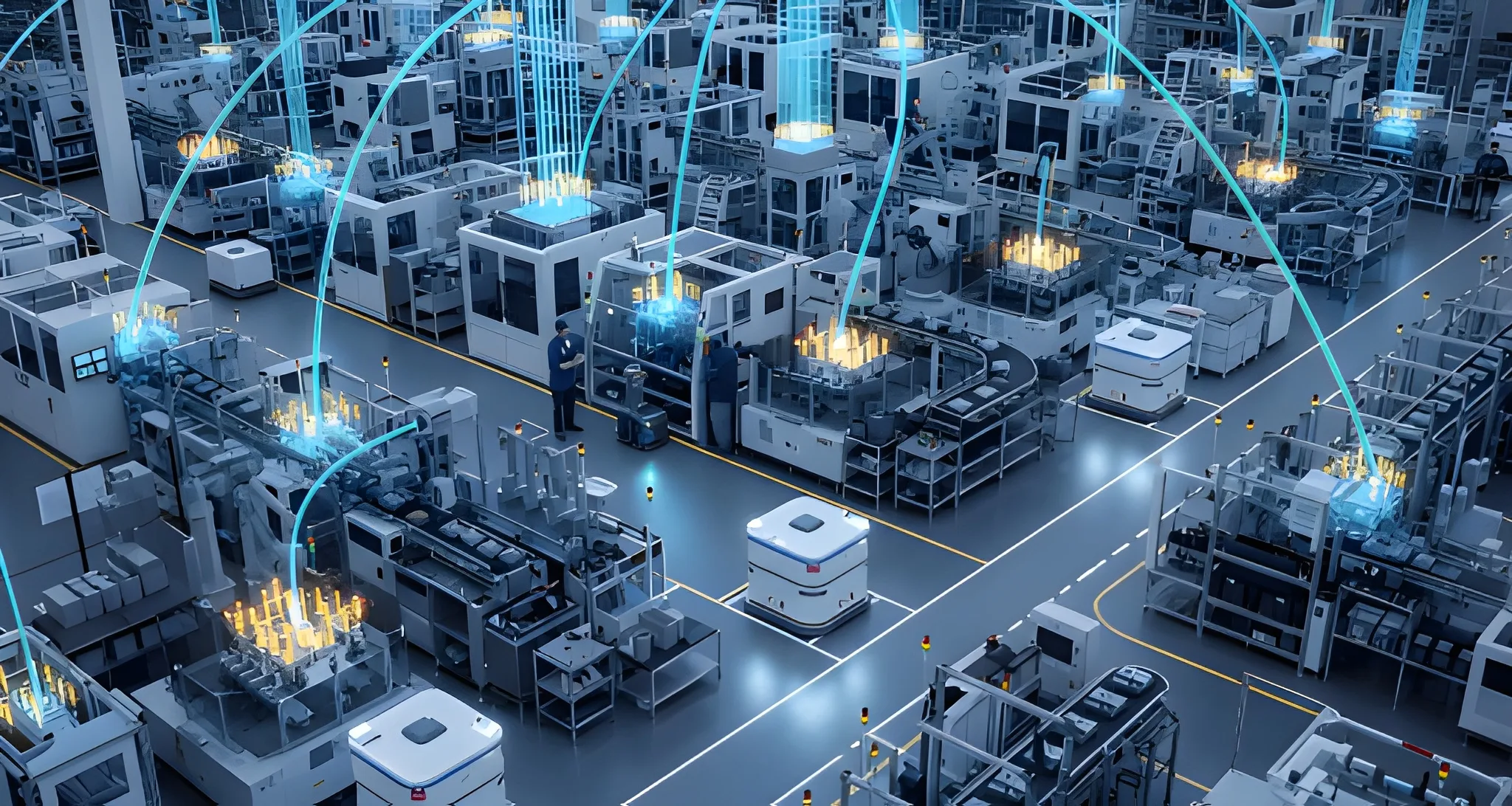
Industrial environments are becoming increasingly connected as organizations adopt smart technologies, automation, and digital monitoring systems. While these advancements improve efficiency and productivity, they also introduce new cybersecurity risks that can disrupt operations, compromise safety, and cause significant financial losses. This makes Industrial Control System Security a critical priority for organizations operating critical infrastructure and industrial facilities.
Businesses across energy, manufacturing, utilities, transportation, and oil and gas sectors are investing heavily in cybersecurity programs to protect operational assets. With the growing importance of OT risk management Saudi Arabia, organizations are implementing advanced security controls, continuous monitoring solutions, and expert services from providers like SecureLink to strengthen resilience against evolving cyber threats.
Understanding Industrial Control Systems
Industrial Control Systems (ICS) are specialized systems used to monitor, control, and automate industrial processes. These systems include Supervisory Control and Data Acquisition (SCADA), Distributed Control Systems (DCS), Programmable Logic Controllers (PLCs), sensors, actuators, and Human Machine Interfaces (HMIs). Together, they ensure industrial operations run safely and efficiently.
Unlike traditional IT systems, ICS environments prioritize availability, reliability, and safety. Many industrial facilities operate continuously, making downtime extremely costly. As these systems become increasingly interconnected with enterprise networks, organizations must adopt strong cybersecurity measures to protect critical assets from cyberattacks and operational disruptions.
Why Industrial Control System Security Matters
Industrial environments support essential services that millions of people depend on every day. A successful cyberattack against an ICS environment can halt production, damage equipment, impact worker safety, and disrupt critical infrastructure operations. Strong Industrial Control System Security helps organizations maintain operational continuity, protect sensitive processes, reduce financial losses, and ensure compliance with industry regulations. It also strengthens resilience against increasingly sophisticated cyber threats targeting industrial and critical infrastructure sectors worldwide.
Common Cyber Threats to Industrial Control Systems
1. Ransomware Attacks
Ransomware remains one of the most dangerous threats to industrial operations. Attackers encrypt critical systems and demand payment for recovery. In industrial environments, ransomware can stop production lines, disrupt monitoring capabilities, and create significant operational downtime, resulting in severe financial and reputational damage.
2. Insider Threats
Employees, contractors, or third-party vendors with authorized access can intentionally or unintentionally compromise industrial systems. Weak security practices, negligence, or malicious actions may expose critical assets to cyber risks. Proper access management and security awareness programs are essential for reducing insider-related vulnerabilities.
3. Supply Chain Compromises
Industrial organizations often rely on external vendors and technology providers. Attackers may exploit weaknesses in third-party software, hardware, or service providers to gain access to critical environments. Supply chain attacks can spread quickly across interconnected systems and create widespread operational disruptions.
4. Malware and Advanced Persistent Threats
Sophisticated malware specifically designed for industrial systems can manipulate processes, disrupt operations, or damage equipment. Advanced Persistent Threats (APTs) often operate stealthily for extended periods, gathering intelligence and maintaining unauthorized access before executing targeted attacks against industrial infrastructure.
5. Remote Access Exploitation
Remote connectivity supports maintenance, monitoring, and troubleshooting activities. However, poorly secured remote access channels can become entry points for attackers. Weak passwords, exposed services, and insufficient authentication controls significantly increase the risk of unauthorized access to industrial environments.
Key Challenges in Industrial Control System Security
1. Legacy Systems and Equipment
Many industrial facilities continue operating older equipment that was not designed with cybersecurity in mind. Legacy systems often lack modern security capabilities, making them difficult to secure while maintaining operational continuity and compatibility with existing industrial processes.
2. Limited Visibility Across OT Assets
Industrial networks frequently contain numerous interconnected devices and systems. Without comprehensive visibility, organizations may struggle to identify vulnerabilities, monitor suspicious activities, and maintain an accurate inventory of assets critical to security management efforts.
3. Balancing Security and Availability
Industrial operations require continuous uptime and reliability. Security updates, patches, and maintenance activities can potentially disrupt production processes. Organizations must carefully balance cybersecurity requirements with operational needs to avoid unnecessary downtime and productivity losses.
4. Skills and Resource Gaps
The demand for cybersecurity professionals with industrial expertise continues to grow. Many organizations face challenges in recruiting and retaining specialists capable of managing complex industrial environments, conducting risk assessments, and responding effectively to emerging threats.
5. Complex Regulatory Requirements
Industrial sectors often operate under multiple regulatory and compliance frameworks. Meeting diverse cybersecurity requirements while maintaining efficient operations can be challenging. Organizations must continuously adapt policies, procedures, and controls to satisfy evolving compliance obligations.
Industrial Control System Security Best Practices
1. Network Segmentation and Isolation
Effective network segmentation separates critical operational systems from corporate networks and external connections. This approach limits lateral movement opportunities for attackers and reduces the impact of security incidents. Proper segmentation is a foundational component of Industrial Control System Security programs.
2. Strong Access Control Policies
Organizations should implement role-based access controls, least-privilege principles, and multi-factor authentication. Restricting access to authorized personnel minimizes exposure to internal and external threats while improving accountability for activities performed within industrial environments.
3. Continuous Monitoring and Threat Detection
Real-time monitoring solutions help identify unusual activities, security anomalies, and potential cyber threats. Advanced detection capabilities enable faster response times and support proactive security management, reducing the likelihood of successful attacks against industrial assets.
4. Vulnerability Management and Patch Planning
Regular vulnerability assessments help identify security weaknesses before attackers can exploit them. Organizations should establish structured patch management processes that prioritize critical vulnerabilities while minimizing operational disruptions and maintaining system reliability.
5. Security Awareness and Workforce Training
Employees play a vital role in cybersecurity. Regular training programs help personnel recognize phishing attempts, follow secure practices, and understand their responsibilities in protecting industrial systems from cyber threats and operational risks.
Risk Reduction Strategies for ICS Environments
1. Conduct Comprehensive Risk Assessments
Regular risk assessments help organizations identify critical assets, evaluate vulnerabilities, and understand potential threat scenarios. Effective Operational Technology risk management programs use these assessments to prioritize security investments and strengthen overall resilience.
2. Develop Incident Response Plans
Organizations should establish and regularly test incident response procedures specifically designed for industrial environments. Well-defined response plans improve coordination, reduce downtime, and enable faster recovery during cybersecurity incidents affecting operational systems.
3. Strengthen Third-Party Risk Management
Vendors, contractors, and service providers often require access to industrial systems. Evaluating third-party security practices, enforcing contractual requirements, and monitoring external connections help reduce supply chain and vendor-related cybersecurity risks.
4. Implement Secure Backup and Recovery Processes
Reliable backup solutions are essential for business continuity. Organizations should regularly test recovery procedures and ensure critical operational data can be restored quickly following ransomware attacks, system failures, or other disruptive cybersecurity incidents.
5. Adopt Continuous Security Improvement
Cyber threats evolve constantly, requiring organizations to continuously review and enhance security controls. Regular assessments, audits, and performance evaluations support long-term Industrial Control System Security improvements and reduce exposure to emerging risks.
Essential Technologies for Industrial Control System Security
1. Industrial Intrusion Detection Systems
Industrial intrusion detection solutions monitor network traffic and identify suspicious activities targeting operational environments. These technologies provide valuable visibility into threats and support rapid detection of potential cyberattacks affecting critical industrial processes.
2. Security Information and Event Management (SIEM)
SIEM platforms collect and analyze security data from multiple sources. By correlating events across IT and OT environments, organizations can improve threat detection capabilities and strengthen OT security in Saudi Arabia initiatives across critical industries.
3. Endpoint Protection Solutions
Industrial endpoints require specialized protection against malware, ransomware, and unauthorized activities. Modern endpoint security tools help safeguard workstations, servers, and industrial devices while supporting operational continuity and cybersecurity objectives.
4. Asset Discovery and Monitoring Platforms
Automated asset discovery technologies provide visibility into industrial environments by identifying connected devices and monitoring changes. These tools help organizations maintain accurate inventories and support effective Saudi Arabia OT security programs.
5. Network Access Control Solutions
Network access control technologies verify user identities and device compliance before granting access to critical systems. These solutions reduce unauthorized access risks and strengthen overall cybersecurity defenses within industrial networks.
ICS Security Frameworks and Compliance Standards
Organizations should align cybersecurity programs with recognized industry frameworks and standards. Popular frameworks include the National Institute of Standards and Technology Cybersecurity Framework, International Electrotechnical Commission 62443, and guidance from the International Organization for Standardization. These frameworks provide structured approaches for risk management, governance, incident response, and security controls. Compliance with recognized standards helps organizations improve security maturity, demonstrate due diligence, and support regulatory requirements across industrial sectors.
Building an Effective Industrial Control System Security Strategy
An effective security strategy begins with understanding operational risks, critical assets, and business objectives. Organizations should integrate cybersecurity into operational planning, establish governance frameworks, and implement continuous monitoring capabilities. Strong collaboration between IT and OT teams is essential for maintaining visibility and ensuring consistent security practices. Investments in Operational Technology risk management, workforce development, and modern security technologies enable organizations to build resilient industrial environments capable of withstanding evolving cyber threats.
Future Trends in Industrial Control System Security
Industrial cybersecurity continues to evolve as organizations embrace digital transformation initiatives. Artificial intelligence and machine learning are increasingly being used to improve threat detection and automate security responses. Zero Trust architectures are gaining adoption to strengthen identity verification and access controls. Additionally, growing investments in OT security in Saudi Arabia and expanding government cybersecurity initiatives are driving stronger protection standards. Emerging technologies and enhanced Saudi Arabia OT security strategies will continue shaping the future of industrial cybersecurity.
Conclusion
As industrial systems become more connected and technologically advanced, cybersecurity challenges continue to grow. Organizations must proactively address threats, strengthen defenses, and adopt comprehensive security programs that protect critical infrastructure, operational continuity, and worker safety. Effective governance, risk assessment, employee awareness, and technology investments all contribute to stronger industrial resilience.
Implementing robust Industrial Control System Security practices enables organizations to reduce cyber risks, improve operational reliability, and maintain compliance with industry standards. By embracing continuous improvement and proactive security strategies, businesses can confidently navigate the evolving threat landscape while protecting their most valuable industrial assets and operations.